
Crawl Spaces That Resist Structural Damage
Moisture Control in Spartanburg for homes with damp crawl spaces that contribute to wood damage and pest activity
South Carolina's humid climate and seasonal rainfall cause ground moisture to accumulate in crawl spaces, creating conditions where wood-destroying insects thrive and mold spreads across floor joists and subflooring. Excessive crawl space moisture softens structural wood, attracts subterranean termites searching for damp cellulose, and produces musty odors that infiltrate living areas through floor gaps and HVAC ductwork. Bell Pest Control evaluates crawl space moisture conditions throughout Spartanburg and implements solutions that reduce humidity levels, protect structural components, and eliminate the damp environments that termites and fungi require to damage your home's foundation.
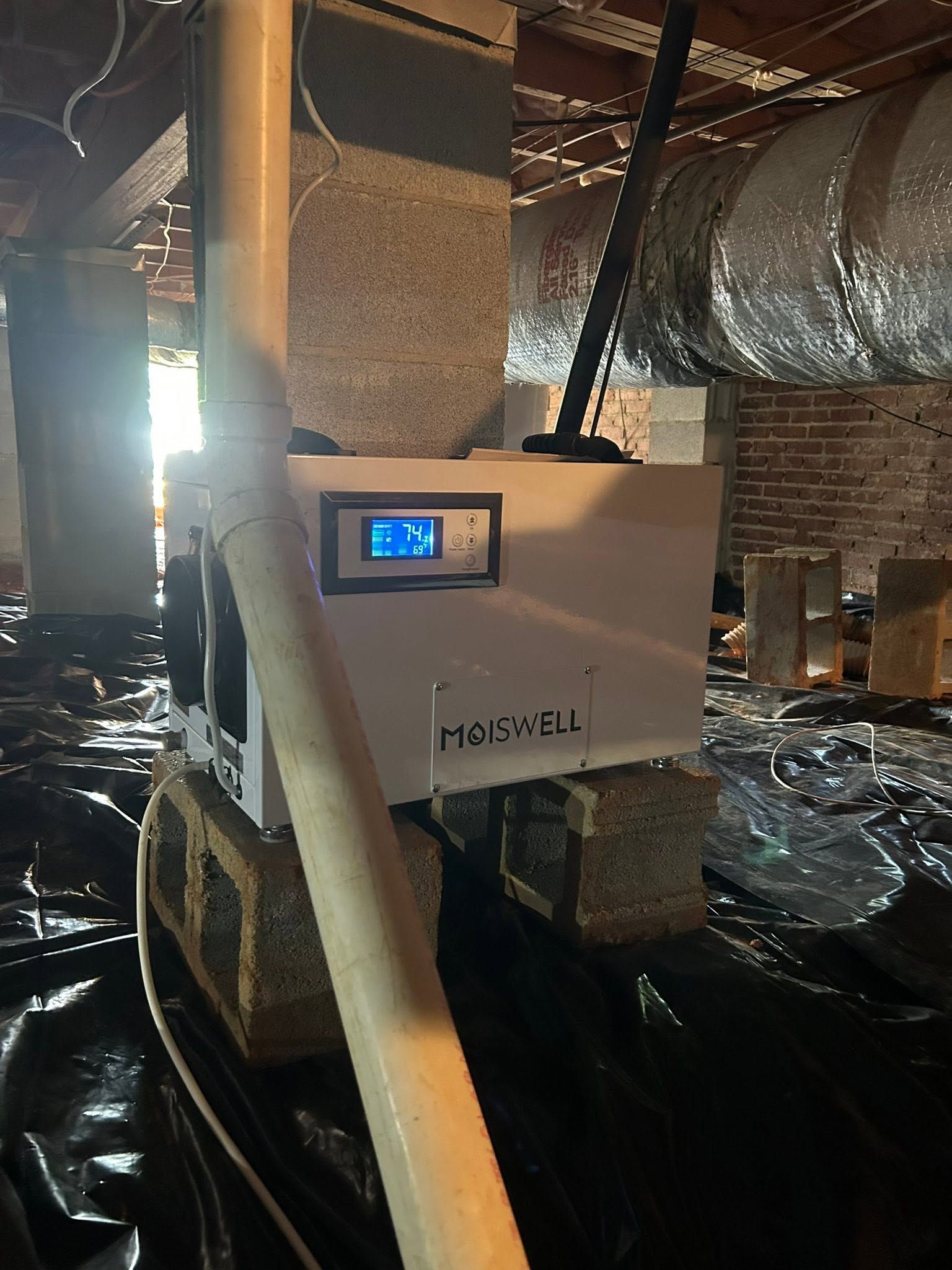
Moisture management begins with identifying the sources contributing to crawl space dampness, including groundwater seepage, inadequate ventilation, plumbing leaks, and standing water that pools after heavy rain. Solutions range from installing vapor barriers that block ground moisture to adding dehumidification systems that regulate humidity levels year-round. The approach depends on your property's specific conditions, including soil composition, crawl space height, existing ventilation design, and the severity of current moisture problems.
Schedule a crawl space evaluation to identify moisture sources and receive recommendations tailored to your property's conditions.
How Moisture Management Addresses Long-Term Structural Concerns
Controlling crawl space moisture involves more than removing visible standing water—it requires creating conditions where relative humidity stays below sixty percent to prevent wood rot, mold colonization, and termite attraction. The process may include encapsulating the crawl space floor with sealed vapor barriers, improving drainage around the foundation perimeter, installing automatic dehumidifiers, and sealing exterior vents that introduce humid outdoor air during summer months. Each component addresses a specific moisture source that contributes to the overall problem.
Once moisture control systems are functioning, you'll notice the musty smell that previously entered your home disappears as mold growth stops and humidity levels stabilize. Wood surfaces that felt damp or showed early decay stop deteriorating, and termite activity decreases because these insects avoid dry wood that doesn't provide the moisture they need for survival. Floor systems above the crawl space feel more solid underfoot, and HVAC systems operate more efficiently because they're no longer pulling humid air from beneath the house into your ductwork.
Moisture control works best when implemented before termite damage becomes extensive or mold spreads throughout the crawl space. Properties with dirt crawl space floors, poor drainage, or histories of termite activity benefit most from comprehensive moisture management that addresses multiple contributing factors rather than temporary fixes that leave underlying problems unresolved.
Answers to Frequent Service Questions
Crawl space conditions vary widely between properties, so understanding how moisture control solutions work helps homeowners protect their investment.
What causes crawl space moisture to increase during certain seasons?
Summer humidity in Spartanburg regularly exceeds eighty percent, and when warm outdoor air enters crawl spaces through foundation vents, it cools and releases moisture that condenses on wood surfaces and raises relative humidity to levels where mold and termites thrive.
How does moisture control prevent termite infestations?
Subterranean termites require consistent moisture to survive and prefer wood with moisture content above twenty percent, so reducing crawl space humidity below sixty percent makes structural wood inhospitable to termite colonies that would otherwise tunnel through foundation walls to reach damp floor joists.
What should I expect during a crawl space moisture evaluation?
The inspection includes measuring relative humidity levels, checking for standing water or damp soil, examining wood for moisture content and decay, identifying plumbing leaks or drainage issues, and assessing current ventilation systems to determine which moisture sources require correction.
How long does it take for moisture control solutions to improve crawl space conditions?
Vapor barrier installation produces immediate reduction in ground moisture vapor transmission, while dehumidifiers lower relative humidity within days, though visible improvements in wood condition and odor elimination typically require several weeks as materials dry and mold growth ceases.
Can moisture control eliminate existing termite damage?
Moisture management prevents future damage by creating conditions where termites cannot survive, but existing structural damage requires separate repair or replacement of compromised wood components after moisture levels are corrected.
Bell Pest Control customizes moisture control strategies based on the specific conditions affecting your crawl space. Arrange an evaluation to determine which solutions will provide long-term protection for your home's structural integrity.