
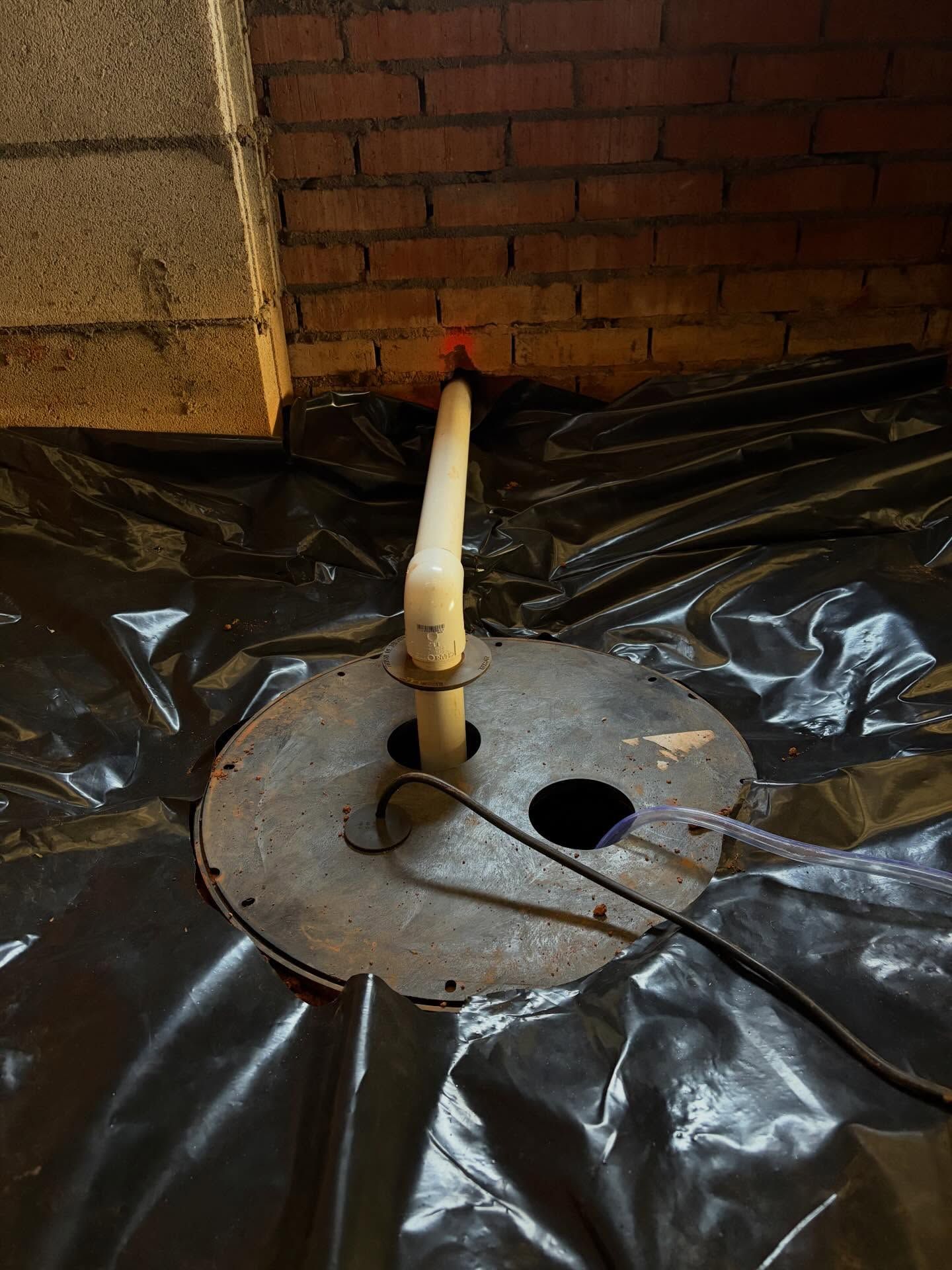
Humidity Levels That Protect Structural Wood
Crawl Space Dehumidifier Installation in Spartanburg for properties where excess humidity threatens floor systems and promotes mold growth
Crawl space dehumidifiers maintain consistent humidity levels beneath your home by removing moisture from the air before it condenses on floor joists, subflooring, and structural beams. Bell Pest Control installs dehumidification systems throughout Spartanburg designed specifically for below-grade crawl space environments where residential-grade units fail. These systems operate automatically, draining condensate continuously without manual intervention and cycling on when relative humidity exceeds target levels. Proper humidity control prevents the wood decay and pest activity that develop when crawl space air remains damp for extended periods, particularly during South Carolina's humid summer months when outdoor moisture infiltrates foundation vents and raises crawl space humidity above safe thresholds.
Dehumidifier selection depends on your crawl space volume, existing moisture sources, and current humidity levels measured during the initial evaluation. The system is positioned for optimal airflow throughout the space and connected to drainage that removes collected moisture without creating new problems. Installation includes configuring the unit's automatic settings so it maintains relative humidity between forty-five and fifty-five percent, the range that protects wood while preventing over-drying that could crack lumber.
Arrange a crawl space inspection to determine the dehumidifier capacity and placement your property requires.
Why Dedicated Crawl Space Systems Work for Below-Grade Environments
Crawl space dehumidifiers differ from residential models by operating efficiently in cooler temperatures common beneath homes and by removing larger volumes of moisture per day without frequent emptying. These systems include automatic drainage that pumps condensate outside or connects to existing plumbing, eliminating the manual maintenance that causes residential units to overflow or shut down when collection buckets fill. The units are built to withstand the dust, temperature fluctuations, and physical demands of crawl space environments where less durable equipment fails within months.
After installation, your crawl space air quality improves as humidity drops to levels where mold cannot colonize wood surfaces and musty odors stop migrating into living areas above. Wood moisture content decreases over several weeks, making structural components less susceptible to decay fungi and less attractive to moisture-dependent pests like termites and wood-boring beetles. The system operates quietly in the background, adjusting its run time automatically based on seasonal humidity changes and maintaining stable conditions year-round without constant monitoring.
Dehumidifiers work most effectively when combined with vapor barriers that eliminate ground moisture and drainage improvements that prevent standing water, but they also function as standalone solutions in crawl spaces where humidity problems result primarily from humid outdoor air or minor plumbing condensation. System performance depends on correct sizing—undersized units run continuously without achieving target humidity levels, while oversized units cycle too frequently and fail to dehumidify effectively.
What Property Owners Usually Ask
Dehumidification protects crawl space environments in ways that complement other moisture control methods, and understanding how these systems function helps property owners maintain healthy conditions beneath their homes.
What capacity dehumidifier does a typical crawl space require?
Systems are sized based on crawl space square footage and existing moisture conditions, with most residential installations requiring units that remove seventy to ninety pints per day to maintain target humidity levels during peak moisture seasons in Spartanburg.
How do crawl space dehumidifiers drain the moisture they remove?
Units include automatic pumps that discharge condensate through small-diameter tubing routed outside the foundation or connected to existing plumbing drains, eliminating manual emptying and preventing shutdowns when collection reservoirs fill.
When should dehumidifiers run to maintain proper crawl space humidity?
Systems operate automatically based on built-in humidistats that monitor relative humidity continuously, cycling on when levels rise above the programmed setpoint and shutting off once target humidity is achieved, with run time varying by season and weather conditions.
How do dehumidifiers work alongside vapor barriers for moisture control?
Vapor barriers block ground moisture transmission, while dehumidifiers remove humidity from air that enters through foundation vents or minor leaks, creating layered protection that addresses multiple moisture sources simultaneously for comprehensive crawl space management.
What maintenance do crawl space dehumidifiers require after installation?
Annual filter cleaning and periodic inspection of drainage connections keep systems operating efficiently, while checking humidity levels confirms the unit maintains target ranges and alerts you to potential problems before moisture damage develops.
Bell Pest Control recommends dehumidifier systems based on measured crawl space conditions and your property's specific moisture challenges. Contact our office to schedule an evaluation that determines whether dehumidification will resolve the humidity issues affecting your home's structural components and indoor air quality.